Latest articles


VALORANT’s Season V26 Update (Patch 12.00)
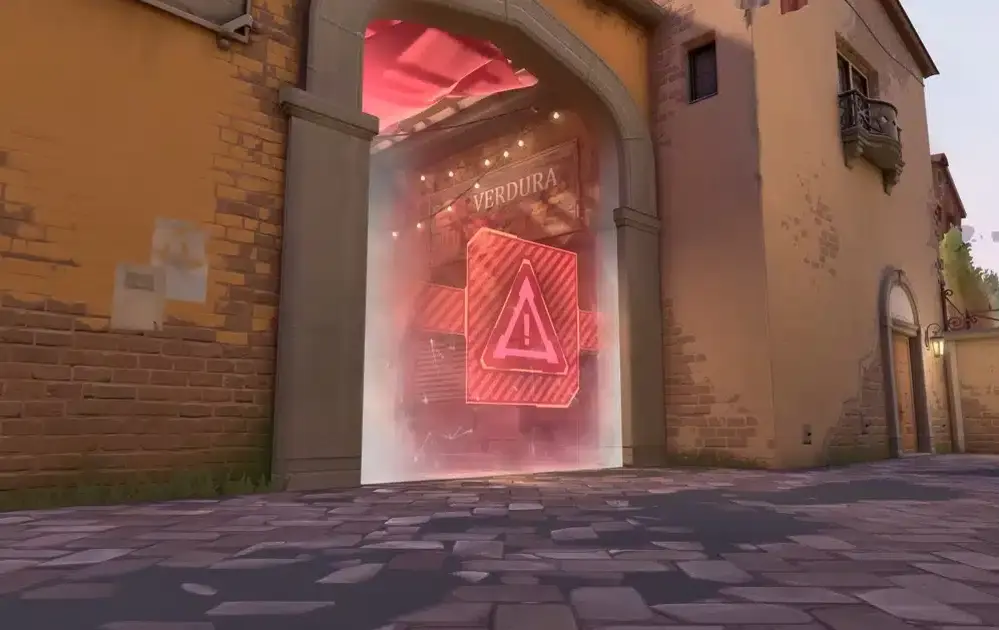
VALORANT’s Patch 12.00 didn’t just add a few numbers and call it a day—it effectively kicked off a brand-new competitive year. Released on January 6, the Season V26 update is Riot’s statement piece: less stagnation, fewer “solved” strategies, and more reasons for players (and teams) to adapt.
From a fresh pistol that reshapes eco math to map changes that remove frustrating gimmicks, Patch 12.00 has clear winners—along with a few losers who’ll need time to adjust. Below is a practical, meta-focused breakdown you can use whether you’re grinding ranked, following pro play, or analyzing matchups before placing a bet.
Patch 12.00 at a Glance: Why This Update Matters
Riot describes the Season 2026 direction as a push against predictability. In real terms, that means tools that change buy-round decisions, maps that play less “angle-dense” and punishing, and systems that aim for fairer matchmaking. Even cosmetic-looking changes (like the lobby UI) influence player behavior—especially at the start of an Act when everyone is re-learning routines.
Let’s break down the six most impactful changes and identify who benefits the most.
1) New Pistol “Bandit”: The Biggest Winner for Budget Rounds
The headline addition in Patch 12.00 is the new pistol, Bandit. It arrives with a very intentional purpose: punish light buys without forcing you into Sheriff-level investment.
Where Bandit Fits in the Economy
Priced at 600 credits, Bandit sits between the Ghost and Sheriff, and that price point matters. It creates a new “middle” option for players who want lethality but still want credits for utility or future rounds.
- Bandit (600): a budget punisher with a clear niche
- Ghost: traditionally the flexible value pick
- Sheriff (800): maximum threat, but with familiar limitations
Why Bandit Can Swing Pistol and Anti-Eco Rounds
The Bandit’s key identity is that it can one-shot lightly armored enemies (125 HP) with a headshot up to 30 meters. That is a meaningful breakpoint. It gives players a crisp answer to common patterns like:
- Opponents buying light shields on pistol
- Teams running light shields during bonus/anti-eco
- Longer first-contact duels where damage drop-offs usually soften impact
In other words: it’s not “just another pistol.” It changes what defenders and attackers can reasonably expect from half-buys.
The Losers: Comfort Picks and Muscle Memory
The Bandit also creates a subtle loser category: players who rely heavily on the Ghost’s reliability or the Sheriff’s established rhythm. The community split makes sense—Ghost remains extremely efficient and accurate, and Sheriff has years of ingrained muscle memory behind it.
Bandit’s real power will likely rise over time as players learn its pacing, recoil feel, and ideal engagement ranges. Early on, it’s a winner in theory—but only a winner in practice for those willing to grind reps.
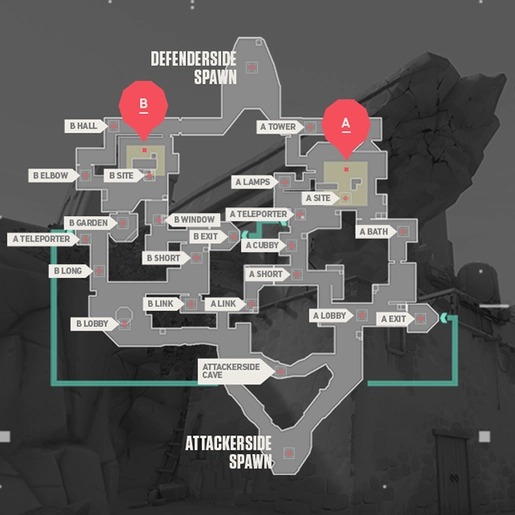
2) Map Reworks: Breeze Returns (and It’s a Different Beast)
Patch 12.00 doesn’t just tweak geometry—this update targets something that quietly shapes every ranked and pro meta: how stressful it is to take space.
Breeze Is Back in Competitive Rotation
After being out of the competitive pool for over a year, Breeze returns with large-scale reworks across sites and mid. Historically, Breeze was seen as attacker-favored on paper, but in reality it often felt unfriendly to everyone because of:
- Too many simultaneous angles to clear
- Huge sightlines that punished small mistakes
- Rotations that could feel slow and overly committal
With the rework, Riot’s main goal appears to be reducing “angle overload,” especially in mid. The result is a Breeze that is less exhausting for defenders while still allowing attackers to run flexible defaults.
Corrode and Haven: Less “Cheap” Wallbang Value
Two other map-related changes stand out:
- Corrode: key wall-penetrable site sections have been sealed, reducing repetitive spam patterns.
- Haven: Mid-Window’s wall-penetrable section now uses a breakable element, lowering the frequency of unfair early-round picks.
Winner: coordinated teams that prefer clean executes rather than coin-flip wallbang openings.
Loser: players who farmed free value through repeated spam timings.
3) Agent Buffs: Breach and Harbor Come Out Ahead
Season V26 begins with several agent adjustments: Breach, Harbor, Sage, Vyse, and Brimstone. Some are quality-of-life, others are clearly aimed at improving pick viability.
Breach Buffs: More Reward for Precision
Breach has struggled at times when the meta demands either ultra-reliable entry tools or hard information. Patch 12.00 helps by improving:
- Flash projectile speed (harder to react to and dodge)
- Stun width (more consistent value when teams coordinate)
Winner: structured teams and duos who can time hits off utility.
Loser: defenders who relied on “easy” dodges and re-peeks after expected flash timings.
Harbor Buffs: Riot Doubles Down After the Rework
Even after prior changes, Harbor has remained a niche pick for many players. Riot appears to recognize that popularity problem and improves the dependability of Storm Surge and Harbor’s ultimate. The practical outcome is simple: Harbor should feel less like a gamble and more like a plan.
Winner: teams experimenting with double-controller looks and set-piece takes.
Loser: defenders who thrive when enemy smokes are inconsistent or “soft.”
Sage, Vyse, and Brimstone: Smaller Changes, Real Impact
Not every change needs to be flashy. Patch 12.00 also introduces smaller upgrades:
- Sage and Brimstone: improved targeting/readability (less friction, clearer intent)
- Vyse: ultimate now has a larger radius, making it more threatening in clustered fights
These are the kinds of changes that don’t always dominate headlines—but they can absolutely shift win rates across thousands of ranked games.
4) Hidden MMR Update: A Quiet Winner for Competitive Integrity
If there’s one change that could matter more than any weapon or agent tweak, it’s Riot’s approach to ranked progression. The community has criticized VALORANT’s MMR system for years—especially when resets feel too harsh or matchmaking feels inconsistent.
Softer Rank Reset Instead of a Harsh Drop
Patch 12.00 introduces a softer rank reset intended to reflect individual skill more accurately. Instead of the familiar experience where many players drop dramatically every few Acts, the new approach aims to preserve competitive integrity while still refreshing the ladder.
Winner: consistent performers who felt punished by heavy resets.
Loser: players who benefited from chaotic reset periods to farm streaks in uneven lobbies.
Why This Matters for Following Tournaments (and Betting)
When matchmaking quality improves, ranked becomes a better training ground, and player form becomes easier to read. For fans tracking semi-pro events or tier-two scenes, this can reduce noise in performance evaluation over time. It won’t instantly “fix” scouting—but it can make the ecosystem healthier.
5) UI Overhaul: Cleaner Design, Slower Muscle Memory
Patch 12.00 refreshes the home screen, lobby layout, and social panel on PC. The new presentation is modern and more expandable—especially around friend management and requests.
The Biggest Change: Queue Selection Flow
The most noticeable difference is functional: you can no longer switch modes the same way from the top of the lobby. Instead, there’s a separate queue select screen.
Winner: players who like clearer navigation and a more structured menu system.
Loser: anyone who valued speed and привычка (habit) over visual polish—especially grinders who swap modes frequently.
6) New Limited-Time Mode: All Random One Site (AROS)
Riot adds a new casual mode called All Random One Site, designed to keep the queue fresh and chaotic in the right way. It replaces Snowball Fight as the current limited-time option and supports eight maps:
Abyss, Ascent, Breeze, Corrode, Pearl, Icebox, Sunset, Split
How AROS Works
- It’s 5v5
- Each round, a random site is locked
- Teams fight over the remaining site and mid control
- You don’t choose your agent—it’s randomized each round
This mode is a clear attempt to boost casual engagement and content creation potential while giving players a fast way to practice fighting patterns without the full weight of ranked structure.
Winner: players who want variety, warm-ups, and highlight-worthy fights.
Loser: players who dislike randomness and prefer deliberate team composition planning.
Conclusion: Patch 12.00 Sets Up a Strong (and Less Predictable) 2026
Overall, VALORANT Patch 12.00 is a net positive for the game’s direction. The clearest winners are the players who adapt quickly: those learning the new Bandit pistol, teams prepared for the reworked Breeze, and coordinated groups ready to extract value from Breach and Harbor.
The biggest long-term win might be the hidden MMR update, because fairer matchmaking improves everything built on top of it—from ranked satisfaction to talent development. And if you’re just looking for a fun shake-up between serious sessions, All Random One Site delivers the exact kind of unruly variety that keeps VALORANT feeling alive.