Latest articles

How to Control Mid in Valorant and Dictate the Pace of the Round
In Valorant, most rounds are decided long before the spike is planted. While many players focus exclusively on site executes or defensive holds, mid control often determines how flexible and unpredictable a team can be. Understanding how to contest, maintain and exploit mid space is one of the clearest ways to elevate in game performance.
Mid is not simply a section of the map. It is a pressure point. When controlled correctly, it forces opponents to split attention and utility, creating openings elsewhere.
Controlling mid begins with preparation.
Before the round starts, teams should consider which agents can safely gather information. Controllers and initiators play a key role in shaping mid presence. Smokes, recon abilities and flashes allow safe peeks without exposing multiple players to crossfires.
Key principles for attacking mid include
-
Avoid dry peeking common Operator angles
-
Use layered utility instead of stacking abilities simultaneously
-
Establish crossfire support before committing to deep pushes
Information is more valuable than immediate kills. Even forcing a defender to rotate creates strategic advantages.
On defense, mid control requires balance.
Overcommitting too many players weakens site anchors. Instead, defenders should focus on delaying tactics. A single well placed smoke or slow ability can stall attackers long enough for rotations to stabilize.
Defensive priorities include
-
Holding off angles rather than aggressive swings
-
Falling back after contact instead of chasing
-
Maintaining audio awareness for split pushes
Mid control also influences economy decisions. Teams that dominate central space often dictate whether rounds become slow defaults or fast site hits. The ability to pivot between A and B keeps opponents guessing and prevents predictable setups.
Beyond strategy, customization plays a psychological role in confidence. Many players personalize their experience through weapon skins and cosmetic upgrades. Some explore ways to buy Valorant points when acquiring premium content or battle passes. Platforms such as Eldorado operate within the broader digital marketplace connected to in game purchases, though players should always review official policies and ensure secure transactions.
While cosmetics do not impact gameplay mechanics, confidence and familiarity with equipment can subtly affect decision making under pressure.
Successful mid control also requires communication discipline.
Callouts must be precise. Instead of vague alerts, specify numbers and positions. Coordinated pushes through mid benefit from synchronized movement rather than isolated entries.
Spacing matters. Players should avoid stacking directly behind each other. Maintaining controlled distance prevents multiple eliminations from a single spray transfer.
Timing is equally critical. Early round mid aggression differs from late round retakes. Recognizing when opponents are likely to contest or abandon mid informs safer rotations.
Another important aspect is adapting to map design.
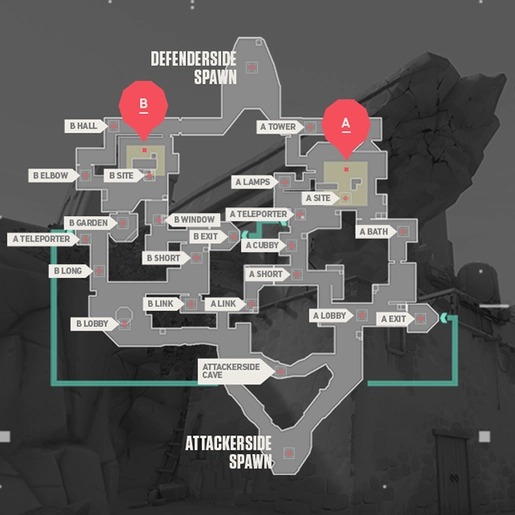
On maps like Ascent, mid control directly influences both sites. On Split, verticality adds complexity to mid engagements. Understanding sightlines and elevation changes helps anticipate defender positioning.
Ultimately, mid control is about options.
Teams that secure central space gain flexibility. They can split sites, fake rotations or isolate defenders. Teams that ignore mid often become predictable and easier to counter.
In Valorant, rounds are rarely won through mechanical skill alone. Strategic space management shapes the outcome before duels even occur.
Mastering mid transforms gameplay from reactive to proactive. It allows teams to dictate tempo rather than respond to it.
That shift in control is often the difference between evenly matched squads and consistently dominant ones.